 Search
 Menu
Menu
Collaboration Forever
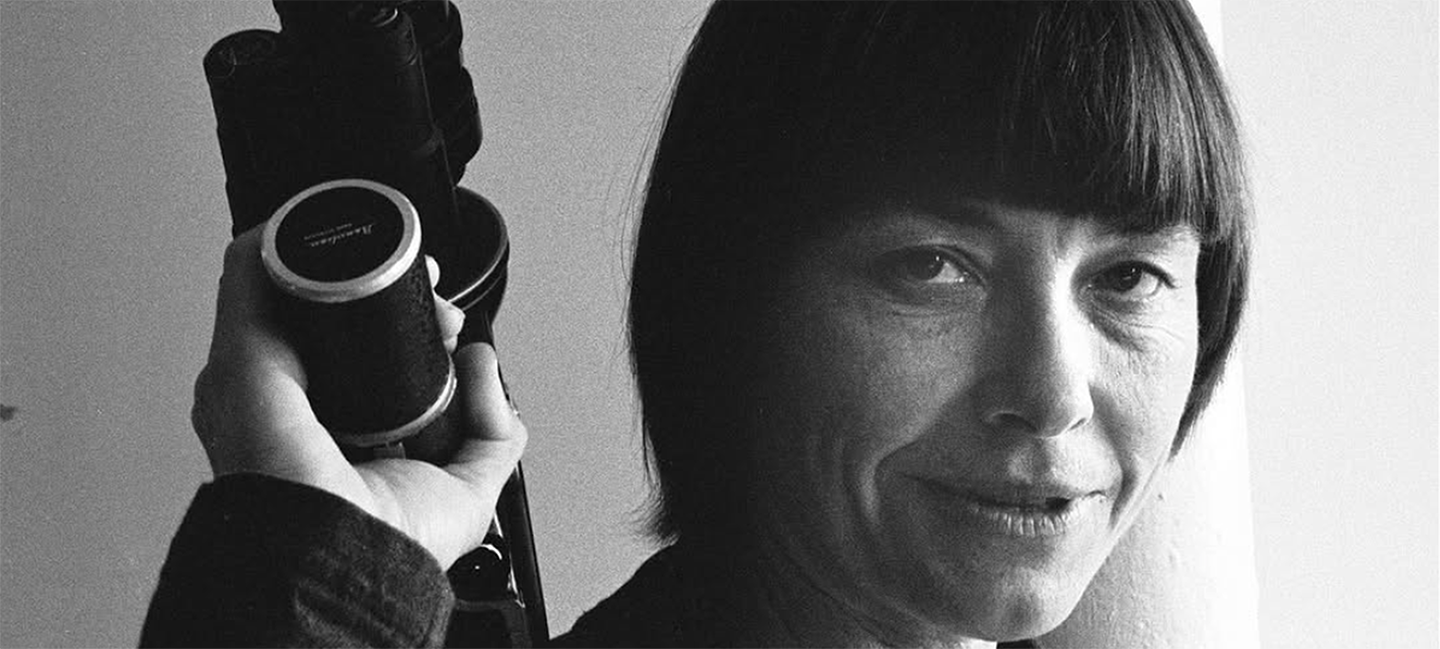
Barbara Hammer documented everything.
She made 85 films over her lifetime, exhaustively turning the camera toward her own body and those of her (sometimes exasperated) lovers. A pioneering experimental filmmaker, she responded to the lack of representation she had personally experienced by creating a collection that gave voice to the historically and culturally invisible and showed what it meant to inhabit and navigate the world in the body of a lesbian woman.
Her personal archive was extensive: camera and mic tests, outtakes, home videos, personal writings, and ephemera, in addition to finished works of art. During her life, Hammer made select outtakes available to other filmmakers for reuse. Before her death, she transferred a large part of her archive to Yale University, where it remains available for collaborative reimagining.
“Barbara wanted to be known for everything she did and everything she was interested in, which included her archiving practice and her dedication to aspects of history that she felt were overlooked or underrepresented in culture,” said filmmaker Brydie O’Connor, whose documentary BARBARA FOREVER tells the story of Hammer’s life and legacy through her archive. “Why do that? Why make sure it’s accessible for people in the future? What does that say about queer history, and what does that say about herself as an artist?”
Exploring those questions—and developing the narrative that drives BARBARA FOREVER—took O’Connor on an odyssey through more than 400 hours’ worth of Hammer’s footage. A portion came from the Yale archive; Hammer’s partner Florrie Burke also gave access and shared additional context to the footage found in Hammer’s personal hard drives.
O’Connor’s experience as an archival producer was helpful in organizing the materials, but even more critical to the project’s success was an abiding curiosity about Hammer’s pioneering work and processes.
“So much of Barbara’s archive feels like a treasure trove,” said O’Connor. “Every time that I found something interesting, I would ask Florrie, ‘Have you seen this?’ Any time that she hadn’t, it felt especially moving to share it with her.” Taul Katz, the film’s composer, drew inspiration from the archives, too, layering environmental sounds that Hammer had recorded with original music to compose the score. The entire project felt like “an intergenerational conversation and collaboration across time,” said O’Connor. “I think that’s exactly what Barbara would have wanted.”
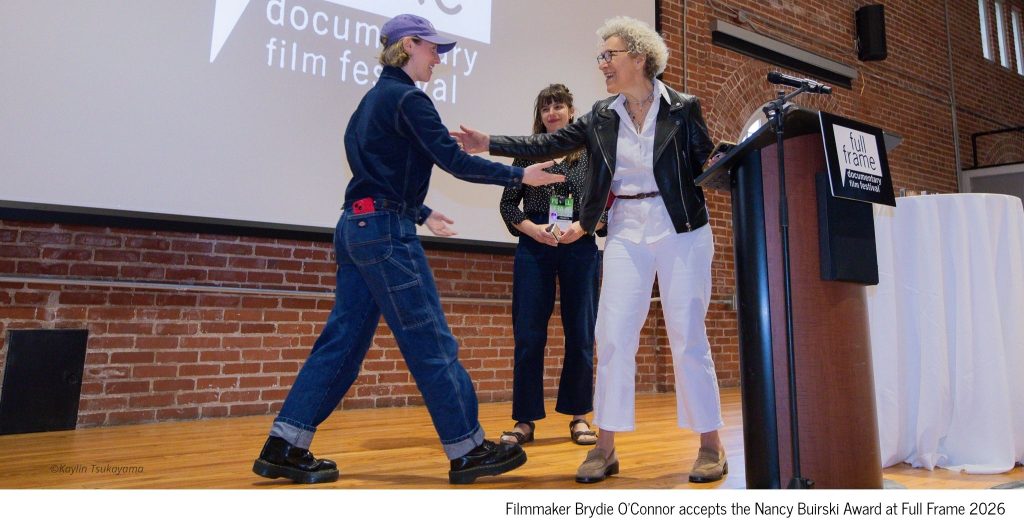 BARBARA FOREVER won the Nancy Buirski Award at Full Frame in 2026, the inaugural year of the prize. The new award is presented in honor of Full Frame founder and filmmaker Nancy Buirski, whose lyrical approach to documentary filmmaking—particularly through her inspired use of found materials of all kinds—defines her renowned body of work. The prize recognizes a feature film that gives new meaning and new life to the archive through the use of footage from films or home movies, still images, audio recordings, or ephemera.
“We think Nancy would have been blown away by Barbara Forever,” said members of the awarding jury. “Its innovative and revelatory use of Barbara Hammer’s films and archival materials, and the foundational respect this film has for its subject and its viewers, creates an inspiring new work that celebrates an artist whose legacy continues to impact our culture.”
“Archives are so powerful,” said O’Connor. “I’m so grateful to Full Frame for centering this work specifically in an award, and it’s such an honor to be recognized in lineage with Nancy Buirski and her filmmaking. Our whole team is really touched.”
BARBARA FOREVER will soon play at select theaters across the country, opening at New York’s Film Forum on September 4 and followed by screenings in Los Angeles, San Francisco, and other select cities.
The Call for Entries for the 29th annual Full Frame Documentary Film Festival opens on August 1, 2026. Submission guidelines and deadlines are available at https://www.fullframefest.org/2027-call-for-entries/.